Posts

The inheritance of loss - Kiran Desai

Yet another Indian novel. This one is based in West Bengal. Not in Calcutta or anywhere near the sea though, but up north, in Kalimpong district, deep into the Himalayan mountainous region, where many ethnic minorities live.
It’s the mid 80s, the Gorkhaland movement insurgency for Nepali independence is underway and the life of Sai - a westernised orphaned Indian girl who lives with her grandfather (a retired judge), his cook and his pet dog - is shaken by the gruesome events and the ambiguous behaviour of his tutor/lover.
Meanwhile in Manhattan, Biju -  the son of the aforementioned cook - lives and works as an illegal immigrant constantly dreaming to be granted a green card.

Lost Horizon - James Hilton


Have you ever heard of something called "Shangri-la"? The mythical and mystical place hidden at the edge of the Tibetan plateau that has become a synonymous with “paradise on earth”, besides being the name of a well known luxury Asian hotel chain? Well, that’s an invention of James Hilton’s and it’s introduced in his book “Lost horizon”.

What the dog saw - Malcolm Gladwell


If you enjoyed Gladwell’s bestsellers such as “The tipping point”, “Blink” and “Outliers”, this collection of articles is a must read for you.
Malcolm Gladwell has worked as a columnist for “The New Yorker” since the mid nineties. Many of the articles he’s published in that paper posed as groundwork for some of his most famous non fiction books. “What the dog saw” is a collection of the best of those articles.

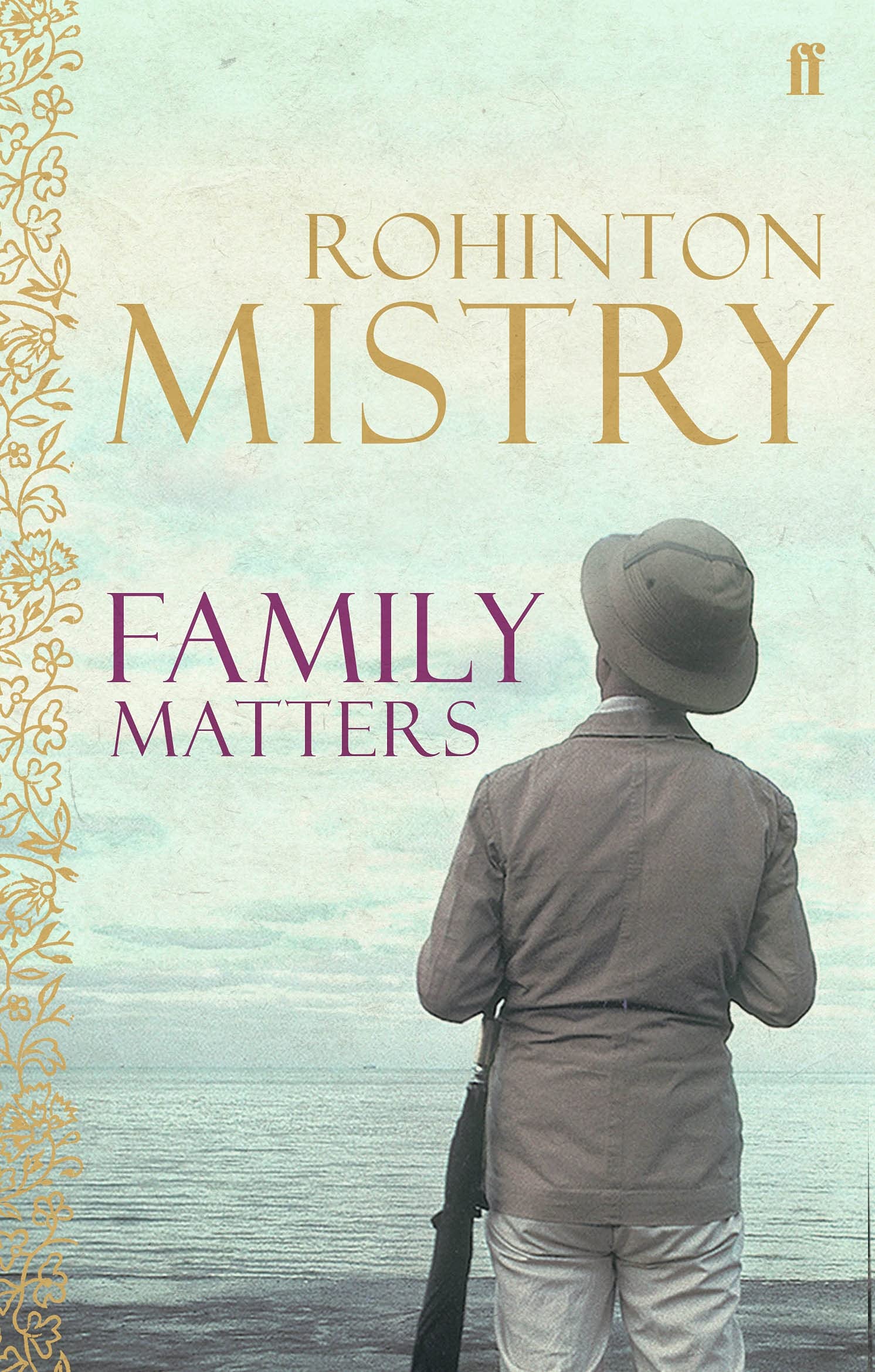
Family matters - Rohinton Mistry


When I read Rohinton Mistry’s “A fine balance”, a few years ago, I thought that it was a beautiful story about Indian castes and politics (the story is based at the time of The Emergency and the sterilization campaigns of the ’70s), but I didn’t like the writing style at all.
I found “Family matters” a much better written novel. A little less interesting from the historical and political point of view, this book delves into the lives of a family belonging to the Bombay’s Parsi community. Mistry, being a Bombay Zoroastrian himself, is very detailed about the description of the community customs and traditions. I did like that aspect a lot.

Madrid - Edmondo De Amicis


I was looking for De Amicis’ “Istanbul” and I found his “Madrid” instead.
De Amicis lived and wrote in the nineteen century, so expect style, vocabulary and mindset of that epoch. Yet, it is an extremely interesting, accurate and even modern account of one of the most fascinating European capitals.

Interpreter of maladies - Jhumpa Lahiri


This is a collection of stories. The recurring theme is that of Indians living in the west, or Indians visiting or living in India as foreigners. The author is an American woman of Indian descent herself, so she is familiar with most of the situations depicted in her stories. I am both interested in good Indian literature (or literature about India) and short stories, and I definitely enjoyed reading this book.

A violent life (Una vita violenta) - Pierpaolo Pasolini


Pierpaolo Pasolini - poet, novelist, journalist, political commentator, civil rights activist and movie director - is one of the very nicest Italian (and European) intellectuals of the 20th century. Clever, knowledgeable, well read, refined, independent, original and brave, he has had and still has a great impact on Italian culture, society and politics.
“A violent life” is his second novel based in post WWII Rome (the first one being “The street kids”, original title: “Ragazzi di vita”).